Medicine
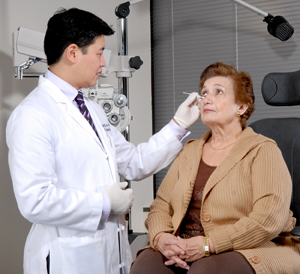
Your eye doctor may prescribe eye drops or ointment. These will help ease redness, swelling, and irritation. When using these medicines, make sure that the tip of the tube or bottle doesn’t touch your eyelid.
Your doctor may also prescribe oral antibiotics. These medicines can help clear up a bacterial infection, a cyst, or a stye. If you take medicine, you must still use warm compresses and eyelid scrubs as recommended by your doctor.
Follow-up appointments
Your eye doctor needs to recheck your eyes during your treatment. This is to make sure the redness and swelling (inflammation) is under control. Regular eye exams are also the best way to prevent other eye problems. Many eye diseases have no symptoms until the eye is already damaged. Finding and treating a problem early can help prevent something more severe.
Online Medical Reviewer: Chris Haupert MD
Online Medical Reviewer: Raymond Kent Turley BSN MSN RN
Online Medical Reviewer: Rita Sather RN
Date Last Reviewed: 03/01/2024
© 2000-2026 The StayWell Company, LLC. All rights reserved. This information is not intended as a substitute for professional medical care. Always follow your healthcare professional's instructions.