A common side effect of cancer and cancer treatment is diarrhea. This is when you have loose, watery stools or pass stool more often than usual. There are many things that can cause diarrhea, such as:
-
Certain kinds of cancer
-
Chemotherapy
-
Targeted therapy
-
Immunotherapy
-
Radiation therapy to the belly or pelvis
-
Certain medicines, like antibiotics
-
Infection
-
Stress
If not controlled, diarrhea can cause you to quickly become dehydrated. It can also change the balance of nutrients and minerals in your body. Be sure to tell your healthcare provider about any changes in your bowel habits. You may need tests and treatment.
Tips for controlling diarrhea
These steps can help you keep diarrhea from getting worse:
-
Limit the amount of fiber in your diet. Don't eat high-fiber foods, such as whole-grain bread and brown rice. Instead, eat white bread and rice.
-
Eat foods rich in potassium, such as bananas, apricots, and peeled potatoes. This can help replace potassium lost due to diarrhea.
-
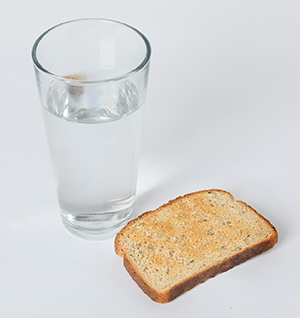
Eat small, frequent meals that are easy to digest. Try the BRAT diet: bananas, white rice, applesauce, and toast.
-
Drink plenty of fluids. Water, juice, sports drinks, broths, and flat light sodas, like ginger ale, are best. They can help replace fluids lost due to diarrhea.
-
Stay away from coffee, tea, and alcohol.
-
Don't eat foods that are fried, greasy, spicy, or sweet.
-
Limit milk products and how much milk you drink if these seem to make diarrhea worse.
Medicines can help
Ongoing diarrhea is not something you have to live with. And it can become harmful. Talk with your healthcare provider about:
-
Your risk for diarrhea
-
If any of the medicines you're taking could cause diarrhea
-
What you can do to help prevent it
-
What you should do if it starts
You may be given medicine to stop diarrhea or help keep it from starting. Use it as directed. Your healthcare provider may also suggest that you:
-
Use an ointment to soothe anal irritation
-
Keep your anal area clean with a mild soap or baby wipes
Don’t take any over-the-counter products without checking with your healthcare provider first.
When to call your healthcare provider
See your healthcare provider if any of these happen:
-
The diarrhea lasts more than
24 to 48 hours. -
There is blood in your stool or when you wipe.
-
You have new swelling, cramps, or pain in your belly.
-
You become lightheaded or dizzy.
-
Your urine turns very dark or you stop passing urine.
-
The medicine you were given to stop diarrhea isn't working.
Featured in
Online Medical Reviewer: Heather M Trevino BSN RNC
Online Medical Reviewer: Rajadurai Samnishanth Researcher
Online Medical Reviewer: Susan K. Dempsey-Walls RN
Date Last Reviewed: 02/01/2025
© 2000-2026 The StayWell Company, LLC. All rights reserved. This information is not intended as a substitute for professional medical care. Always follow your healthcare professional's instructions.
Compassionate Cancer Care
Learn about our cancer services and meet the specialists who support you at every step at the HPH Cancer Centers.
Meet Our TeamRelated Articles
Nutrition During Chemotherapy
During chemotherapy, the energy provided by a healthy diet can help you rebuild normal cells. It can also help you keep up your strength and fight infection. These guidelines can help.
Skin Care During Chemotherapy
Minor skin problems are common side effects of chemotherapy. These side effects occur because the treatment affects normal cells as well as cancer cells. To manage these side effects, try the tips that follow.
Acute Lymphocytic Leukemia (ALL): Introduction
Read on to learn more about acute lymphocytic leukemia (ALL). This type of leukemia starts in very early or premature forms of white blood cells called lymphocytes. These immature cells are called lymphoblasts, or just blasts.
Getting Proper Nutrients While in Cancer Treatment
This video will teach people the importance of getting the proper nutrients during cancer treatment, and which foods will help them get those nutrients.