Questions for your doctor
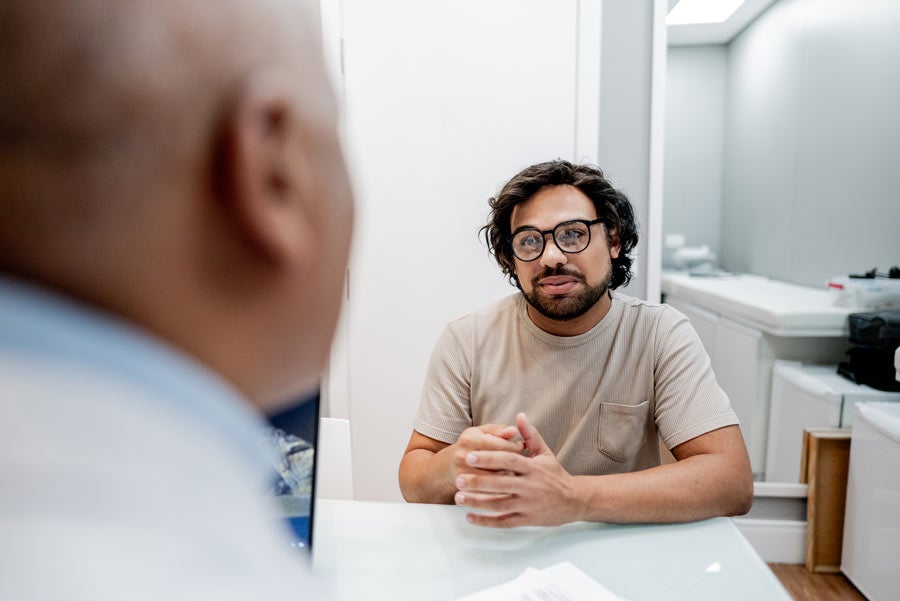
Here is a list of questions to ask your doctor:
- What kind of cancer do I have?
- Where is it?
- Has it spread beyond where it started?
- What's the stage of the cancer? What does that mean?
- Is this cancer linked to genetic (inherited) factors? Are my family members at risk?
- What have the tests shown?
- Do I need any more lab tests or imaging scans?
- What is the purpose of each test or scan?
- How will this information help decide what types of other tests or treatments I should have?
- What are my treatment choices?
- What are the expected benefits of each kind of treatment?
- What are the risks of each treatment?
- What are the side effects of each treatment?
- What do you advise and why?
- Are there new treatments or clinical trials that I should consider?
- How long will my treatment last?
- What are my chances of being cured?
- How soon do I need to start treatment?
- How will we know if treatment is working?
- How will each treatment affect my daily life? My sex life? My ability to have children?
- Will treatment affect how I look? How my body works?
- Will I be able to work during treatment?
- What are the chances that the cancer will come back again?
- Based on what you know about my cancer, how long do you think I'll survive?
- Is there anything else I need to know?
- Where can I get more information?
- Will my insurance cover treatment? How much will I have to pay?
- What can I do to get ready for treatment?
- How will I reach you after office hours, or during weekends and holidays?
- What support services are available to me or my family members?
Featured in
Date Last Reviewed: 09/01/2025
© 2026 The StayWell Company, LLC. All rights reserved. This information is not intended as a substitute for professional medical care. Always follow your healthcare provider's instructions.
Compassionate Cancer Care
Learn about our cancer services and meet the specialists who support you at every step at the HPH Cancer Centers.
Meet Our TeamRelated Articles
Read article
Oncology
Physical Exercise for Cancer
Exercise offers benefits for many people with cancer. Read on to learn how physical activity may help you, what safety steps to take, exercise tips for cancer survivors, and more.
Read article
Oncology
Cancer Treatment and Low Platelet Count
One possible side effect from cancer treatment is a low platelet count. This means the number of platelets in your blood is lower than normal. Read on to learn more.
Read article
Oncology
Life After Cancer: Treating Sleep Problems
Here are some ideas to help you sleep better.
Read article
Oncology
Chemotherapy and Liver Toxicity
Although chemo is good at killing cancer cells, it can also harm healthy cells and organs. That includes your liver.