If you have kidney disease, it’s important to eat less salt (sodium). Sodium is a mineral your body needs, but only in small amounts. It’s found in table salt, sea salt, and many packaged or processed foods. These include foods like cereal, cookies, pickles, and fast food.
Most restaurant meals also have a lot of salt. If you don’t cook fresh meals at home, you might be eating more salt than your body needs. Eating too much salt can make you thirsty and cause your body to hold on to water. This can raise your blood pressure and put stress on your kidneys.
The FDA says healthy adults should have no more than 2,300 mg of sodium (salt) a day. But most adults eat more than that, around 3,400 mg every day. If you have kidney disease, you should eat even less—no more than 1,500 mg a day.
To know how much salt you're eating, try these tips:
-
Read food labels
-
Keep track of how much salt you eat each day
If it's hard for you to eat less salt, ask your doctor to send you to a dietitian. A dietitian can help you choose low-salt foods and plan healthy meals.
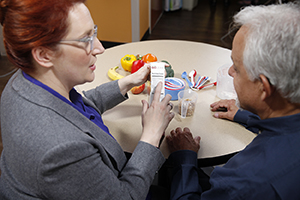
Reading food labels is one of the best ways to know how much salt is in your food. Here are some foods that have a lot of salt:
-
Canned and packaged foods like gravies, instant cereal, noodle and potato mixes, pickles, soups, and canned vegetables
-
Cheeses like American, blue, Parmesan, and Roquefort
-
Cured meats like bacon, ham, hot dogs, beef jerky, bologna, sausage, and lunch meats
-
Fast food like burritos, tacos, fish sandwiches, fries, and milkshakes
-
Frozen foods like TV dinners, meat pies, and waffles
-
Salty snacks like chips, crackers, pretzels, popcorn, peanuts, and other nuts
-
Other packaged items like bread, ketchup, soy sauce, steak sauce, bouillon, baking soda, salted butter, lite salt, antacids, relish, and vegetable juice